Floor Sanding Frankston North
Frankston North · 3200 · Mornington Peninsula
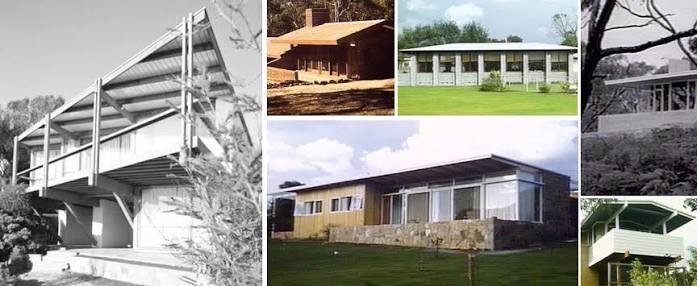
The Housing Commission stock through Frankston North has a reputation it does not entirely deserve. Built through the 1950s and 60s in weatherboard and brick, these houses were laid with the same Baltic Pine tongue-and-groove that went into far more expensive homes at the time, and the timber under forty years of carpet is frequently in better condition than in houses that have been lived on harder. What holds these floors back is not the original build quality. It is what has been done to them since.
Baltic Pine dominates here more heavily than anywhere else in the Frankston area, sitting at the top of the 35 to 40 per cent range that applies across the suburb as a whole. Boards are typically 150 millimetres wide, laid straight over the joists as structural subfloor, with the knots and resin streaks that make the species instantly recognisable once the coating is off. There is a scattering of 1970s native hardwood in the later infill toward Ballam Park, but the character stock through the original Commission streets is pine.
Softness is the whole story with this timber, and it drives every machine decision we make. Baltic Pine dents under a dropped tool, gouges under a badly set drum, and dishes between the growth rings if the abrasive is too coarse or the pressure too high. The springwood cuts faster than the latewood, so a heavy pass leaves a subtly corrugated surface that only shows up once the coating goes on and the light rakes across it. We run lighter pressure and finer sequential grits than we would on a hardwood floor, and it takes longer for exactly that reason.
The second complication is resin. Baltic Pine carries a high natural resin content that heats up fast under a coarse 36 or 40-grit belt, softens, and clogs the abrasive within a few passes. Clogged abrasive stops cutting and starts burnishing, which polishes the timber rather than levelling it and causes patchy coating absorption later. The practical answer is more belts, changed more often, and accepting the consumables cost rather than pushing a loaded belt one more room to save money.
Frankston North jobs are usually 60 to 75 square metres and sit in our Frankston band at $45 to $65 per square metre turn-key, putting most whole-house invoices between $3,150 and $4,550. Where a floor has been over-sanded by a previous contractor — and on soft pine that is a real risk — we sometimes find the boards are down to the tongue and cannot take another cut. In that case we say so. A floor with no thickness left is a recoat-only floor, and pretending otherwise sells you a sand that ends in a broken board.
Borer shows up in Frankston North as well, because the Common Furniture Beetle specifically targets well-seasoned softwood and 1950s Baltic Pine is close to its ideal host. The same test applies: pale, powdery, free-falling frass means active, dark grey compacted dust means historical. Active infestation means borate treatment to the joists and board undersides before coating, and replacement of any board that has lost its structural section. We check this before quoting a price, not after starting.
Gap-filling is the other thing we get asked about constantly here, and the answer is the same as elsewhere in Frankston: rigid filler in a Baltic Pine joint will fail. The boards are wide, the timber moves seasonally, and a hard resin filler gets crushed and ejected the first humid summer. Open gaps, cleaned out properly, or tapered pine splines glued in and sanded flush. Gap treatment runs $5 to $15 per square metre depending on which approach the floor calls for.
Two to three days is a realistic timeline for a standard Frankston North scope. Day one is preparation and the coarse-to-medium passes, with the sealer down by late afternoon. Day two is fine sanding, inter-coat screening with a 150-grit mesh pad, vacuuming and topcoats. Because pine takes coating differently to hardwood — it drinks the first coat in unevenly across the softer growth rings — we generally allow for an extra sealer pass on these floors and price it in from the start.
For coating, waterborne is our recommendation on Baltic Pine and it is not a close call. Solvent-based polyurethane on pale pine ambers hard, and within a few years a floor that came up honey-blonde reads as dark orange. Waterborne holds the colour the timber came off the sander with. If the budget is genuinely tight and the property is a rental between tenancies, solvent-based is defensible — the house can sit empty for the five to seven days it needs, and the price per square metre is lower. For anyone living in the house, waterborne is worth the difference.
Where Frankston North gets interesting is the reveal. A lot of these floors have never been sanded at all — carpet went down over the original boards in the sixties or seventies and has not moved since. Lifting it exposes timber that has spent five decades protected from UV and foot traffic, and the colour underneath is often startling. The perimeter nail holes from the tack strips need filling, the staples need pulling, and then it comes up as close to an original 1950s floor as you will find anywhere in the region.
We will always give an honest read at quote stage on whether a Frankston North floor is worth restoring. Some are not. A floor that has been sanded twice already, has water damage through a wet area, or has lost boards to borer past the point of economic replacement is better overlaid than chased. We would rather tell you that at the front door than take a deposit and discover it on day two.
REPLACING THE FLOOR IN FRANKSTON NORTH INSTEAD?
If the existing boards are past saving, or you are after something different underfoot, we also supply and install timber, engineered and hybrid flooring here.