Floor Sanding Cape Schanck
Cape Schanck · 3939 · Mornington Peninsula
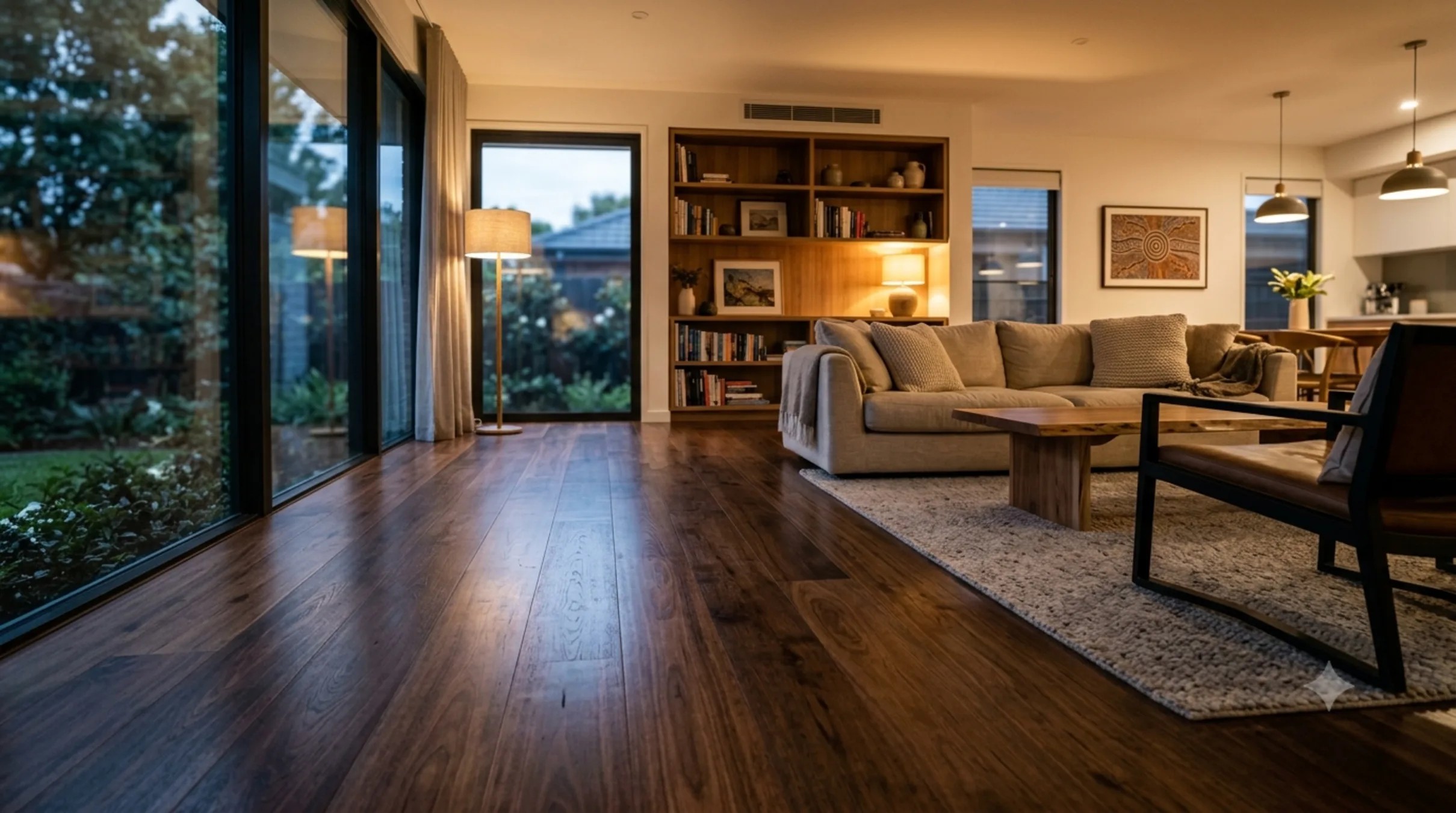
The first thing you notice pulling into a Cape Schanck property is how new most of them are. Development here largely happened after 1990 — the RACV Cape Schanck Resort opened in 2010 and pulled the surrounding housing market with it — and the timber floors we work on reflect that: mostly modern hardwood or engineered oak, few older restorations, and design briefs that lean coastal-modern with an emphasis on hard-wearing, photographable finishes.
There is rarely carpet over hardwood in Cape Schanck houses — the era of construction means most were built with the timber exposed from day one. Common species are Blackbutt (in the mid-price detached homes), Spotted Gum (in the higher-end architect designs) and engineered European oak in the newer townhouse-style developments and resort-adjacent apartments. Board widths tend wider than older Peninsula stock — 130–190mm is standard here rather than 80–100mm.
Cape Schanck sits directly exposed to the Bass Strait southerly. Salt spray reaches every window and door on the south side of properties, and UV exposure — particularly on properties within sight of the lighthouse — is severe. Interior floors handle both if they are properly coated. But finishes wear faster here than a comparable Frankston floor: a water-based polyurethane that would last 15 years in Somerville might need re-coating in 10 in a beachfront Cape Schanck room.
Larger contemporary floor areas push totals higher. Typical Cape Schanck job sizes: 160–240m². Standard sand-and-polish runs $6,000–$10,000. Whole-house lime wash — a common request for beachfront properties — sits at $8,500–$13,000 including sample panels and sealer coats. High-end architect homes with 280m²+ of continuous timber, staircases and specific finish specifications can run $15,000–$22,000.
Allow 5–8 days for standard sand-and-polish, 7–10 days for lime wash jobs (the extra step adds a day plus dry time). Larger high-spec homes need 8–12 days. Cape Schanck is a shorter drive from Frankston than clients often think — parking and site setup are not an issue on most of these newer builds.
For coastal-exposed Cape Schanck homes, we default to high-quality water-based two-part polyurethane, either matte or satin depending on the interior scheme. UV-inhibiting variants are worth the upgrade on north and west-facing rooms. Lime wash finishes are popular here — the coastal-modern aesthetic suits the resort-influenced architecture. Oil-based finishes we rarely recommend for Cape Schanck: the amber shift over years fights the light, pale interior palette these homes typically have.
Many Cape Schanck properties are owned through property management companies rather than directly by the resident owner. When quoting these jobs, we work with both the owner and the manager — the owner makes the aesthetic and cost decisions, the manager coordinates access and schedules. This structure means quotes take longer to close (an extra week or two of back-and-forth) but the actual work goes smoothly once approved and everyone is aligned on the scope and timing.
Newer Cape Schanck builds — 5 to 15 years old — often have engineered timber floors with defined manufacturer warranties. We check the warranty terms before sanding: some manufacturers void the warranty if the floor is re-sanded, others allow one re-sand within a specified wear-layer thickness. Where the warranty is a concern we quote a light intermediate recoat instead of a full sand, preserving the warranty and the finish.
The resort-adjacent short-stay properties around Cape Schanck have higher turnover than a private holiday home would. This means finish wear happens faster and the recoat cycle is tighter — typically a full re-sand every 8–10 years rather than the residential 15–20. We factor this into our recommendation of finish system and quote for the higher-spec coating that will last the additional cycles.
Cape Schanck property owners often insure their properties through specialised holiday-let insurance products that have specific requirements around floor coating warranty and workmanship documentation. We provide these documents as standard and, where required, coordinate directly with the insurer’s assessor to confirm scope compliance. This kind of paperwork sits outside the sanding work but is essential to protecting the property investment.
REPLACING THE FLOOR IN CAPE SCHANCK INSTEAD?
If the existing boards are past saving, or you are after something different underfoot, we also supply and install timber, engineered and hybrid flooring here.